|










| |
Acupuncture
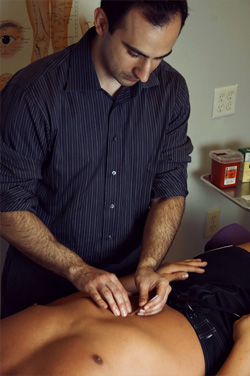 Acupuncture is one of the
oldest and most commonly used systems of healing in the world. Acupuncture has
been practiced for over 3,500 years in China but has become popular in the
western world in the last three decades. Public awareness and use of
acupuncture increased in the United States following President Nixon’s visit to
China in 1972 and New York Times reporter James Reston’s account of how
physicians in Beijing eased his post-surgery abdominal pain with needles. In
the late 1970s, the World Health Organization recognized the ability of
acupuncture to treat nearly four dozen common ailments including conditions such
as indigestion, gastritis, sinusitis, neuralgia, arthritis, dizziness, insomnia,
neck/shoulder pain, depression, anxiety, hypertension, angina pectoris,
addictions to alcohol, nicotine, and other drugs. Acupuncture is one of the
oldest and most commonly used systems of healing in the world. Acupuncture has
been practiced for over 3,500 years in China but has become popular in the
western world in the last three decades. Public awareness and use of
acupuncture increased in the United States following President Nixon’s visit to
China in 1972 and New York Times reporter James Reston’s account of how
physicians in Beijing eased his post-surgery abdominal pain with needles. In
the late 1970s, the World Health Organization recognized the ability of
acupuncture to treat nearly four dozen common ailments including conditions such
as indigestion, gastritis, sinusitis, neuralgia, arthritis, dizziness, insomnia,
neck/shoulder pain, depression, anxiety, hypertension, angina pectoris,
addictions to alcohol, nicotine, and other drugs.
In 1997, a consensus statement
released by the National Institutes of Health (NIH) found that acupuncture could
be useful by itself or in combination with other therapies to treat addiction,
headaches, menstrual cramps, tennis elbow, fibromyalgia, myofascial pain, lower
back pain, carpal tunnel syndrome and osteoarthritis. In addition, the NIH
reported that there is clear evidence that needle acupuncture treatment is
effective for postoperative and chemotherapy nausea and vomiting, nausea of
pregnancy, and postoperative dental pain.
Several studies have suggested
that with acupuncture treatments, pain impulses are blocked from reaching
the spinal cord or brain at various gates. Since a majority of acupuncture
points are either connected to or are located near neural structures,
this suggests that acupuncture stimulates the nervous system. Another
theory suggests that acupuncture stimulates the body to produce endorphins
and natural opioids, which reduce pain. Overall, acupuncture has
been shown to stimulate the release of a variety of hormones that help
body to respond to injury and stress. There are hundreds of acupuncture
points classified by the WHO on the human body, which are connected by
12 main pathways called meridians. These meridians conduct energy
or qi (pronounced “chi”), between the surface of the body and its internal
organs. The qi will help regulate balance and restore health to
the mind and body.
Acupuncture:
Headaches, Migraines, Back Pain, Sciatica, Tendonitis, Muscle Spasm, Bursitis,
Stress, Anxiety, Depression, Abdominal Pain, Bloating, IBS, Premenstrual
Syndrome (PMS), Irregular Menstruation, Menopause, Fertility Complications,
Insomnia, Allergies, Fatigue, Appetite Suppression, Smoking Cessation,
Pain Management, Fibromyalgia, Osteoarthritis, and TMJ.
Acupuncture Facial Rejuvenation:
Acupuncture Facial Rejuvenation or Cosmetic Acupuncture is an effective,
non-surgical treatment to reduce the signs of aging. Leaving the skin
nourished, hydrated and toned, reducing the appearance of fine lines.
Acupuncture works by stimulating the facial muscles and increasing the
flow of Blood and Qi (energy) to the face. This increases collagen production,
which promotes firmness of the skin and also gives a healthy glow to the
face.
A 1996 report in the international
journal of Clinical Acupuncture reported that among 300 cases treated
with Cosmetic Acupuncture, 90% had marked effects with treatments, including
improvement in the elasticity of
facial muscles, brighter complexion, and overall rejuvenation.
Benefits of Acupuncture Facial Rejuvenation include:
-
Increases circulation, therefore oxygenates the skin
- Relaxes muscle tone
- Moisturizes the skin from inside, and rejuvenates tired looking skin
- Nourishes the skin, giving you a healthy complexion
- Keeps skin redness and irritation under control
- Helps minimize fine lines
- Improves hormonal balance to reduce acne
- Increases blood, energy and lymph circulation
- Leaves you feeling refreshed, relaxed and rejuvenated
|

